Meet your practitioner
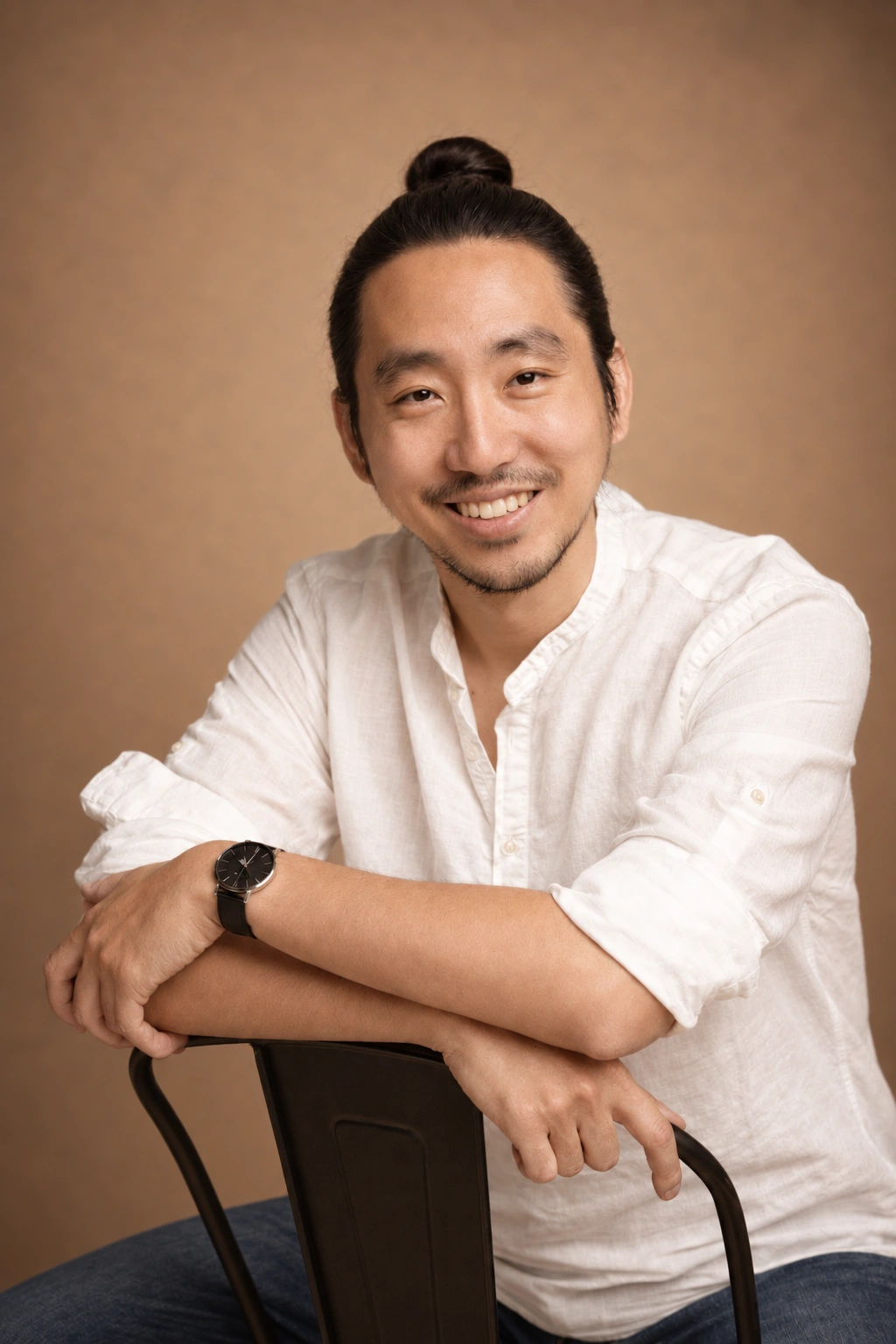
JT Kua
Counsellor
I work with people trying to make sense of how relationships, groups, belief systems or people in authority have affected their ability to trust their own judgement, make choices or act freely.
Sometimes the problem is clear. At other times, you may find yourself second-guessing your perceptions, struggling to disagree, or unsure where your own position begins.
My role is to help you work out what is happening, regain a clearer sense of where you stand, and find a way forward that remains yours.
Working with me
My natural style is calm, steady and non-pressuring. I tend to listen carefully, consider different perspectives and avoid rushing towards conclusions.
I can also be direct and structured when that helps. We may slow a situation down, separate its different parts, identify recurring patterns and work out where meaningful change is possible.
I look at the whole situation, not just the individual. That includes relationships, who holds authority, what information is available, who you rely on, where you belong, practical limits and what happens when someone disagrees or tries to change course.
Differences in personality, motivation and communication also matter. They can help explain why the same environment affects different people differently, without reducing someone to a personality type or fixed explanation.
When the problem is practical, I take a more active role. We might develop and practise skills for setting boundaries, communicating clearly, preparing for difficult conversations, making decisions or taking manageable steps towards change. Understanding matters, but so does being able to respond differently when the situation calls for it.
I also pay attention to what happens when stress or strong emotions affect your body and your ability to think clearly. Fear, anger or prolonged strain can narrow your focus, increase tension or leave you feeling overwhelmed, frozen or disconnected. Where useful, we can work on recognising these shifts earlier and settling enough to choose how to respond.
I may offer observations, strategies or possible explanations, but you are not expected to adopt them.
Therapy should help you understand your situation, judge information for yourself, make choices and act—not replace one authority with another.
Areas I work with
I have a particular interest in:
- coercive and controlling relationships;
- high-control groups and communities;
- spiritual and religious abuse;
- changes in belief and identity after leaving or stepping back from a group, relationship or belief system;
- guilt, obligation, boundaries and difficulty disagreeing;
- rebuilding confidence in your own judgement;
- supporting partners or family members affected by controlling environments.
Gender, culture, family traditions and wider social expectations can shape who holds power, what is expected of someone, which choices are realistically available, and what happens when they disagree or make a change. I try to understand these influences in each person's life, without assuming their background tells me what their experience has been.
Spiritual and Buddhist contexts
I am particularly interested in spiritual settings, especially Buddhist communities and practices.
Spiritual commitment, devotion, discipline and teacher-student relationships can be deeply meaningful. Difficulties can arise when authority becomes hard to question, disagreement carries unusual consequences, or spiritual ideas are used to explain away harm.
I spent many years within what I understood at the time to be a Buddhist community. That experience shapes how I approach situations that can be hard to recognise while you are in them and difficult to make sense of afterwards.
I do not assume that spirituality, Buddhism or authority are inherently harmful, or that your experience resembles mine.
We can examine what happened in your particular situation, what remains valuable to you, and what you want your relationship with those parts of your life to become.
Background
I hold a Master of Counselling from Monash University and a Bachelor of Arts (Psychology) from the National University of Singapore, together with additional professional training in counselling and related areas.
Alongside counselling, I contribute to The Exit Clinic's educational work and thinking about how relationships and systems can limit people's choices and ability to act.
Qualifications & professional development
Academic qualifications
Master of Counselling
Monash University, Australia
Bachelor of Arts (Psychology)
National University of Singapore, Singapore
Additional training & professional development
NLP Master Practitioner
Mind Transformations Pte Ltd, Singapore
iEQ9 Level 1 Practitioner Accreditation Training
Integrative Enneagram Solutions, South Africa
A first conversation
A complimentary 15-minute consultation lets us talk through what you are looking for and whether my experience is relevant.
It is also a chance for you to decide whether my way of working feels right for you.
Book a complimentary 15-minute consultationMeet our other practitioner: Isabel Pham, Social Worker